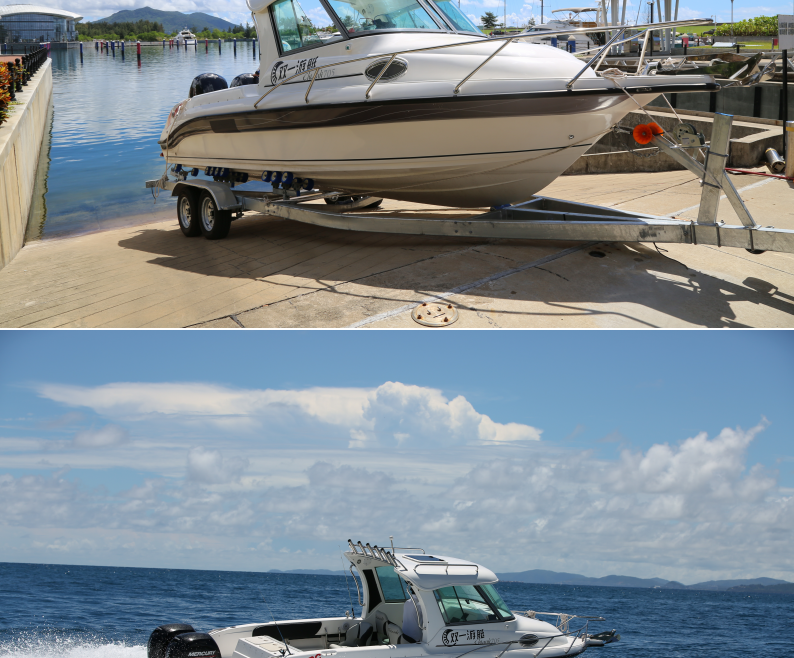
Why Composite Boats Are Changing Aussie Offshore Fishing
Offshore fishing around Australia keeps growing as more anglers chase snapper, kingfish and tuna off the coast. Longer runs out to reefs and canyons put a lot of pressure on both skipper and hull. That is where modern composite boats are starting to stand out, especially for those who push wide in tougher conditions.
Composite boats are built from several materials working together, not just a solid fibreglass shell. Done well, this gives better strength, less weight and a smoother ride in the sort of wind chop and swell we see along our coasts. As a supplier of high-quality fibreglass and composite boats from Chinese manufacturers into the Australian market, we have seen how the right construction and performance setup can change an offshore day from tiring to enjoyable.
What Makes a Boat “Composite” in Practical Terms
In simple terms, a composite boat is built like a sandwich. Instead of one thick, solid skin, you have:
- Outer and inner skins, usually fibreglass with resin
- A core material between them, like foam, balsa, or honeycomb
- Extra reinforcements in key areas, such as woven or stitched glass
Traditional full-fibreglass builds are mostly solid glass and resin. They can be strong but often end up heavy for their size, which affects performance and fuel burn. Modern composite layups use core materials to add stiffness without piling on weight.
Common core materials include:
- Foam cores, often used in hull sides and decks for stiffness and buoyancy
- Balsa cores, used where high compressive strength is needed
- Honeycomb panels, often in bulkheads, floors or internal panels
The core is not used everywhere. Good builders are smart about where they place solid glass and where they use a cored section. For example:
- Around the keel and impact zones, you might see more solid glass for toughness
- In the hull sides and deck, a core is used to keep things light and stiff
- In the transom and stringers, materials and layup are chosen to carry engine loads
For offshore conditions, that balance matters. The hull needs stiffness where it cops the worst slamming loads. It needs impact resistance down low, near the keel. At the same time, a little controlled flex through the structure helps soften the ride instead of passing every shock into the crew.
Key Advantages of Composite Boats in Australia’s Offshore Seas
When you are running out to the shelf before sunrise or pounding home into a winter southerly, small gains in comfort and handling add up. A well-built composite boat can offer several benefits.
Ride and comfort:
- Lighter, stiffer hulls can cut through chop instead of crashing over it
- Reduced flex in the wrong places means fewer rattles and less jarring
- Crews arrive on the grounds less tired, which matters on big fishing days
Strength, safety and long life are also key for offshore work. Composite structures are designed to spread loads through the hull and internal framing. This helps reduce fatigue and flex cracking over time. With the right layup, a composite hull can give you confidence when:
- Working into a head sea near a bar
- Sitting side on while bottom fishing
- Running home with a big following swell
Efficiency and handling are another big plus. Less weight for the same size hull often means:
- Quicker planing and better power-to-weight
- Improved fuel economy, handy on long offshore trips
- More agile handling when trolling or working tight reef edges
For anglers who spend full days wide of the heads, composite boats in Australia are becoming a go-to option because they join comfort, strength and fuel efficiency in a neat package.
How Composite Boats Stack up Against Aluminium and Traditional Glass
All hull materials have their place, and a fair comparison helps you choose what suits your style of offshore fishing.
Offshore ride and noise:
- Aluminium hulls can be tough and practical, but they often have more hull slap and vibration, which you feel and hear when running into chop
- Conventional solid fibreglass hulls usually ride softer than alloy, but can be heavier, which affects punch out of the hole and fuel burn
- Composite fibreglass hulls aim to keep the soft glass ride, while trimming weight and improving stiffness for a cleaner feel in a head sea
On the maintenance side:
- Aluminium owners keep an eye on corrosion, paint blistering and fittings that can set up reactions
- Fibreglass and composite owners watch for signs of damage to gelcoat, fittings and any spots where water might find a way into cores
- Modern composite designs and build methods are set up to control water ingress, but routine checks around transom fittings, deck hardware and through-hulls are still part of good ownership
Fit for purpose is where composite can really shine. It often suits:
- Serious offshore fishing rigs where long-range, ride comfort and handling are priorities
- Family crossover boats that need to feel solid, quiet and safe, with good deck space
- Trailerable game boats that have to balance towing weight with offshore ability
Alloy still appeals where simple, tough use and impact resistance against ramps or rough banks is the main focus. Many owners weigh up their normal days on the water and pick the material that matches those habits.
Choosing Composite Boats in Australia’s Market with Confidence
When you talk to a dealer about composite boats, it helps to know what to ask. Key questions include:
- What is the laminate schedule, for hull, deck and transom?
- Which core materials are used, and where are they placed?
- How are stringers, bulkheads and the transom tied into the hull?
- What is the typical hull thickness in high-load areas?
- How has the boat been tested or proven in offshore conditions?
A good dealer should be happy to walk you through these points in plain language. You are not trying to become a boat builder, you just want to know the structure has been properly thought out for the sort of sea you fish.
The quality of the factory behind the hull matters too. Proven manufacturers with strong supply chains, strict quality control and deep experience in high-volume composite production tend to deliver more consistent boats over time. That consistency shows in:
- Cleaner finish and better fit of parts
- Reliable structural performance from one hull to the next
- Fewer headaches for both dealers and owners across the life of the boat
At Premium Boating Shandong, we work with Chinese manufacturers who focus on fibreglass and composite builds for recreational, offshore and fishing use. We pair that with our four decades’ propeller and performance knowledge, so we can help dealers match hulls, engines and propellers for the sort of offshore work their customers do.
Getting Your Offshore-Ready Composite Rig Sorted This Season
When winter patterns fire and offshore species push closer to the coast, many anglers start to notice the weak points in their current boat. Maybe the ride feels harsher on colder, steeper chop, or the fuel burn on long runs makes you think twice about checking that next mark. It is a good time to step back and look at whether your hull, layout and setup still match how and where you fish.
If you are curious about composite boats in Australia, talk with a trusted marine dealer about demo opportunities and hulls that are already proven on local grounds. Ask about layouts that suit how you fish, and be open about the sort of runs you make, how many people you take and the conditions you are willing to head out in. At Premium Boating Shandong, we support dealers by matching composite hulls with smart performance setups, so serious offshore anglers can get into rigs that feel right from the first bar crossing.
Get Started With Your Project Today
If you are ready to explore high-performance boating with less upkeep, our team at Premium Boating Shandong can help you choose from our leading range of composite boats in Australia. We will walk you through the options to match your on-water lifestyle, from weekend trips to more serious offshore adventures. For personalised advice or to discuss a specific project, simply contact us and we will get back to you promptly.